Last week, the International Centre for the Mediterranean Biosphere Reserves participated in the workshop “Collaboration in European UNESCO Biosphere Reserves” (November 4–7), organised by the Biosphere Reserves Institute of Fachhochschule Eberswalde (Germany), aUNESCO Category 2 Centre.
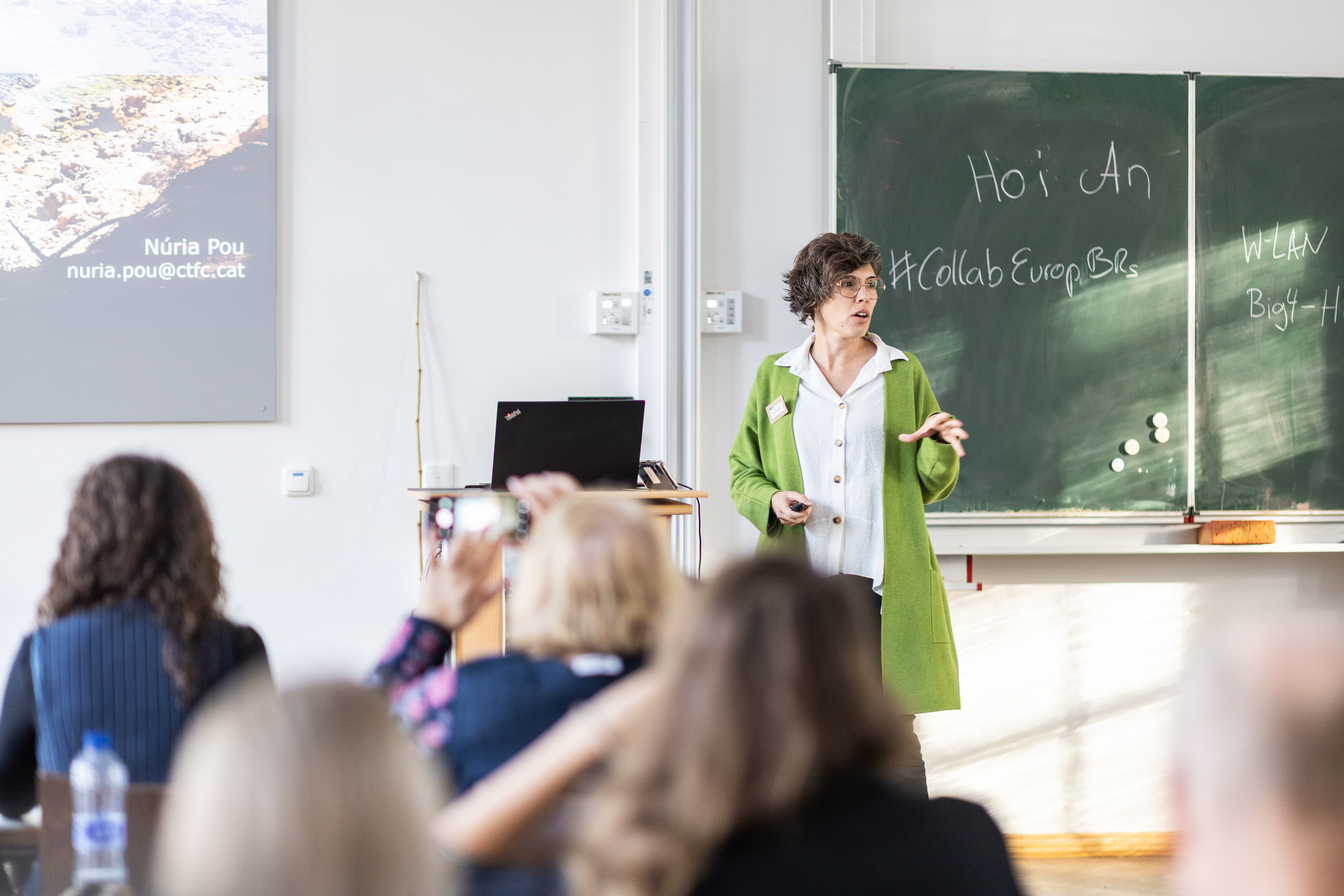
Representing the Centre, Núria Pou, Coordinator of the International Centre for the Mediterranean Biosphere Reserves, contributed to discussions by explaining how the Mediterranean Biosphere Reserves Network (MedMAB) strengthens collaboration among its members through dynamic participation and joint initiatives such as the RES-MAB Project. Pou also presented how the Centre’s research and innovation activities support biosphere reserves in addressing key challenges and enhancing their resilience to global changes.
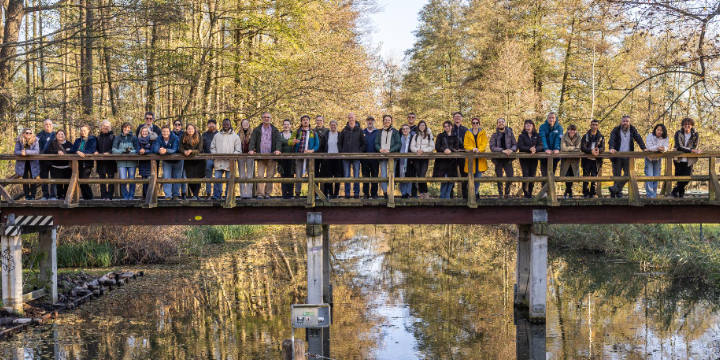
The workshop brought together over 35 participants from 19 countries, including representatives of biosphere reserves, universities and research centres, UNESCO National MAB Committees, youth networks, and other stakeholders. Participants exchanged experiences and explored new opportunities for collaboration between researchers and practitioners.
Several inspiring activities were held to promote mutual learning, including a field visit to the Spreewald Biosphere Reserve, where participants learned about the reserve’s nature conservation management, sustainable land-use practices, and the experiences of local farmers.
The workshop addressed key themes such as:
Challenges for long-term collaboration in biosphere reserves, highlighting the lack of resources and capacities and the need to build trust among all actors involved.
Regional and thematic networks as examples of collaboration, exploring how different networks foster cooperation across regions and topics, and how they design joint proposals to unlock funding opportunities to address shared challenges.
Bridging the research–practice gap, ensuring that collaborations between academia and biosphere reserve managers are based on mutual understanding and shared benefits, where biosphere reserves can identify problems to frame research topics and serve as living laboratories for testing solutions.
Transdisciplinary research as the cornerstone of innovation in biosphere reserves.
Facilitating governance among biosphere reserve stakeholders (practitioners, municipalities, farmers, businesses, NGOs, etc.), to overcome conflicts, co-create solutions, and reflect collective societal responsibility in sustainable transformation.
Post-war recovery and human well-being, highlighting how access to nature in biosphere reserves can support healing and resilience in communities affected by war.
The meeting also provided an excellent opportunity to connect with managers of Mediterranean biosphere reserves, strengthen ongoing partnerships, and explore new forms of cooperation with emerging and future Mediterranean BRs.
30 September 2026
Italy’s Monte Peglia UNESCO MAB Biosphere Reserve joins the MedMAB network, bringing the network to 73 Biosphere Reserves.
18 September 2026
From 14 to 18 September 2026, EuroMAB 2026 brought together members of the UNESCO Man and the Biosphere (MAB) community in the Mount Arrowsmith Biosphere Region, Canada, to exchange knowledge, share experiences and explore new ways of working together for people and nature.
7 July 2026